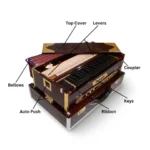
Choosing the right musical instrument matters. This factor makes all the differences here. The quality of the instrument affects how you learn it. You may express your creativity accordingly. The instrument quality also affects the performance.
Understanding what quality actually means is important. This is for every beginner searching for their first instrument. Seasoned musicians also need quality for their performances. This includes the materials, along with the craftsmanship. The playability is also a big factor here.
In this blog, we break down the top factors that define the quality of a musical instrument. This makes things easier for you in making a decision.
Intrument Quality At A Glance
Material Properties & Resonance: For these instruments, inharmonicity is important:
- Stringed instruments
- Resonant instruments
Some inharmonicity is associated with a warm quality in the piano.
Source: Wikipedia
Material Quality: The choice of wood also matters for the quality. The acoustical properties of wood include:
- Anisotropy
- Density
- Elasticity
Source: MDPI
Design & Construction / Craftsmanship: In wind instruments, how well the keywork is manufactured affects:
- Playability
- Stability
- Serviceability
Source: Orchestral Winds
The Major drivers of instrument cost are:
- Manufacturing cost
- Choice of high quality materials
These also matter for the perceived quality.
Source: SourcifyChina
What Does “Quality” Mean in Musical Instruments?
- Acoustic Quality
- Construction Quality
- Playability
- User Experience
In other words, quality = sound + construction + playability + stability.
What Are The Top Factors That Define The Quality of a Musical Instrument?
Materials –
Material quality really affects the way it works. The material type can impact the sound. The durability of the instrument is also different with each one. Material quality impacts the overall response.
Wood:
Material is important for string instruments. These are some of those material factors:
- The specific type
- Age
- The grain of the wood
These are all important for the richness of the instrument. This is also for some wind instruments.
Metals and Alloys:
The composition of the alloy can affect resonance. This is for brass and metal wind instruments. The tone quality is also affected here. High grade metals are best for durability. A rich sound is also the result.
Alternative Materials:
Some modern materials offer unique properties. This is the case with carbon fiber, offering:
- High stiffness
- Light weight
- Resistance to warping
These can be more consistent than traditional materials.
Craftsmanship and Design –
Attention to detail also plays a role here. This is paramount for the assembly.
Precision Fabrication:
Structural integrity also matters here. A high level of performance is ensured with:
- Proper construction
- Precise joints
- Expert finishing
Quality Control:
Skilled manual labour is important for longevity. This means that all the components are rightly assembled. It shows that the instrument is free of flaws. This improves playability.
Design:
A well designed is made to produce a good sound. The goal is that the instrument is responsive to the player. The components are to work in harmony.
Sound and Tone Quality (Timbre) –
This is the unique “colour” of the sound. This is how one instrument sounds different from the other.
Harmonic Content:
The richness is affected by the right combination of:
- The fundamental tone
- Overtones
This defines the character of the instrument.
Evenness of Tone:
A quality instrument produces a balanced sound. This comes with a wide dynamic range.
Playability and Durability –
A quality instrument feels comfortable in your hands. You can play it with ease, even for long periods.
Ergonomics:
Factors like these affect the ease of use:
- Weight
- Balance
- The smoothness of the fingerboard
Reliability and Repairability:
High quality instruments provide trouble free service. These are also less costly to repair than others.
Longevity:
A well made instrument is a good investment. These ones can last generations with proper care.
Conclusion
Want to know what’s affecting your instrument quality? This blog has listed the top factors that do that. The material quality comes on top here. The right kind of material can affect your performance. The playability is also a factor here. A quality instrument sounds rich. The craftsmanship is a big factor in quality.
FAQs
Q – What does a high quality instrument do?
A – These are some of the benefits of a high quality intrument:
- Better Sound
- Durabilty
- Enhanced Learning
Q – What influences the Timbre?
A – Here are the factors that affect the instrument quality:
- Shape
- Material
- Size
Q – What qualities does a good instrument have?
A – Here are some qualities that make an instrument good:
- Validity
- Reliability
- Usability
Q – Is the quality of sound different in each instrument?
A – Yes, timbre is the unique quality of sound in instruments.